Most homeowners don’t think about the electrical system until something goes wrong. The lights work, the outlets function, and the breakers trip occasionally and get reset. The system disappears into the background the way infrastructure does when it’s doing its job well enough not to demand attention. The problem is that electrical systems age in ways that aren’t visible, and the gap between working and safe isn’t always obvious until something makes it obvious in a way that’s expensive or worse.
The question worth asking isn’t whether the lights come on. It’s whether the system behind them was built for what’s being plugged into it now.
What the Wiring Is Actually Doing in Your Electrical System
Homes built before the 1980s were wired for electrical demand that looks nothing like what a current household puts on a system. No EV charger, no heat pump, no induction range, and no home office running multiple screens and devices simultaneously. The wiring and panel sized correctly for 1965, is now being asked to handle multiples of what it was designed for, and it’s doing that without anyone having checked whether it can.
Wiring doesn’t wear out the way mechanical parts do, but it degrades in specific ways over decades. Insulation becomes brittle and cracks. Connections at outlets and junction boxes loosen through years of heating and cooling with every load cycle. Aluminum branch circuit wiring, which was used extensively in homes built from the mid-1960s through the mid-1970s, expands and contracts differently than copper at connection points. That difference loosens connections over time, loose connections create resistance, and resistance creates heat in places nobody is looking.
Knob and tube wiring in homes built before roughly 1950 is a different category. It’s ungrounded, it can’t be safely covered with insulation without creating heat buildup conditions, and it wasn’t designed for anything resembling modern load. It isn’t automatically dangerous if it’s intact and not being pushed. But it’s ungrounded, which removes the fault protection a modern system provides, and most insurers in Seattle have strong enough concerns about it that coverage gets complicated.
The Electrical System Panel
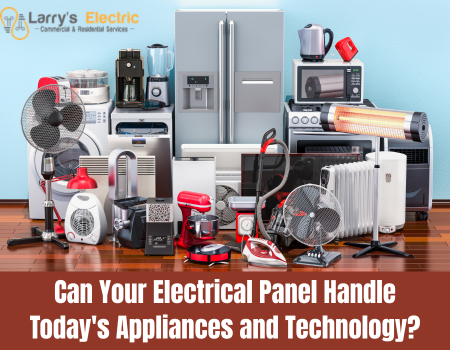
A 60-amp service panel was standard in homes built before 1960. A single modern heat pump can approach that entire capacity on its own. A 100-amp panel handles a basic household but has limited headroom for the additions that are becoming standard — EV charging, heat pumps, induction cooking. These aren’t optional upgrades for most Seattle households anymore. They’re where the market is going and a panel without room for them is a panel that’s already behind.
The panel at its limit doesn’t usually fail dramatically. It shows the limit through lights dimming when large appliances start, through breakers that trip more than they used to, and through circuits that can’t be added because there’s no room or capacity left. These are symptoms of a system communicating that it’s operating at its edge, rather than with the margin that makes it actually safe.
Federal Pacific and Zinsco panels are a specific problem beyond capacity. Both were installed in large numbers through the 1960s and 1970s, and both have documented failure rates on the breakers — specifically the failure to trip under overload conditions. A breaker that doesn’t trip when it should, allows a circuit to carry more current than the wiring is rated for. That doesn’t produce a tripped breaker, it produces heat in the wall. These panels look normal in most cases and test functional in many of them. Most electricians and insurers treat them as a replacement recommendation regardless.
What Safe Actually Looks Like
Grounded outlets throughout the living space; GFCI protection in kitchens, bathrooms, garages, and outdoor locations. A panel with capacity and physical room to add circuits as the household’s needs change. These are the baseline characteristics of a system that can handle modern appliances without operating at its limit every time something large turns on.
Washington State Department of Labor and Industries outlines the electrical safety standards and licensing requirements that apply to residential wiring and panel upgrades in Seattle, useful context for homeowners trying to understand what a safe electrical system looks like under current Washington state standards and when older systems require licensed assessment.
A licensed electrician assessing the system covers panel condition and capacity, wiring type and condition in accessible areas, grounding, and whether the service entrance supports what’s being planned. It produces specific answers rather than general impressions. For a Seattle home built before 1980 that hasn’t had a full electrical assessment, that assessment is worth having before the heat pump goes in or the EV charger gets quoted, not after the installation reveals what the system can’t support.
If the home was built before 1980 and the electrical system hasn’t been assessed by a licensed electrician, the question of whether it’s safe for modern appliances is still open. Larry’s Electric serves Seattle and the surrounding area with electrical assessments, panel evaluations, and upgrades sized for what Seattle homes actually need now and in the next decade. Reach out for a quote and get a specific answer about the system rather than a general assumption that it’s probably fine.