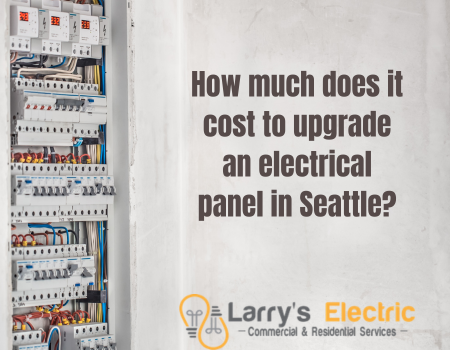
Electrical Panel upgrade costs in Seattle come up in conversation constantly, and the numbers people share vary enough to be confusing. Someone paid one amount, and another paid much more. A neighbor got a high quote and assumed they were being taken advantage of. All of those numbers can be correct depending on what was actually involved, and the gap between the low-end and high-end costs isn’t arbitrary; it reflects real differences in the scope of work that aren’t visible from the outside of the house.
Understanding what drives the cost before getting quotes makes the quotes more readable and the decision easier to make.
Electrical Panel Size
The electrical panel itself is where the conversation starts, and its size is the first variable that affects cost. Most older Seattle homes are on 100-amp service, some on 60-amp, and the upgrade path depends on what the home needs rather than just on replacing what was there before.
A 200-amp upgrade is the standard recommendation for most Seattle homes in 2025 and makes sense for households adding EV charging, heat pumps, or any significant electrical load alongside existing demand. The panel hardware cost is a fraction of the total project — the labor, the Seattle City Light coordination, and the permit process are where the price increases the most. A straightforward 200-amp upgrade in a Seattle home with reasonable access to the panel and the meter, and no significant complications in the existing wiring, the price will be more affordable, depending on the contractor and the specific conditions.
The number climbs from there based on what gets discovered and what gets added. A 400-amp service for a larger home or a home with substantial electrical demand is a different scope and a different cost. Subpanel additions, which often make sense in larger homes or homes with detached structures, add to the project. The panel hardware difference between 200-amp and 400-amp service is relatively modest — the additional cost comes from the heavier service entrance cable, the meter base, and the additional coordination with Seattle City Light that larger service upgrades require.
Permits
Electrical permits in Seattle are not optional, and contractors who suggest skipping them are creating a problem that shows up at the worst possible time. Unpermitted electrical work creates issues with homeowner’s insurance, creates disclosure obligations at sale, and creates liability if something goes wrong with the electrical system after the fact. The permit process in Seattle requires inspection by the city and sign-off from Seattle City Light before the new panel goes live, and that process takes time that affects project scheduling in ways that unpermitted work doesn’t.
Permit costs in Seattle for an electrical panel upgrade run a few hundred dollars, and the inspection scheduling adds time to the project completion. Most contractors who work regularly in Seattle have the permit process built into their workflow and the timeline expectations that come with it. A quote that doesn’t include permit costs is a quote that’s going to add those costs later, and a contractor who’s vague about the permit situation is worth asking directly before work begins.
The inspection process sometimes identifies additional work that needs to happen before the panel upgrade gets signed off. Grounding issues, service entrance cable conditions, clearance requirements around the panel location — these are things that come up during inspection and need resolution before the project closes. Most experienced Seattle electricians walk through these potential issues before the quote rather than after the permit gets pulled, and the difference between a quote that anticipated these conditions and one that didn’t shows up in whether the final cost matches the estimate.
Home Age
Seattle’s housing stock skews old enough that home age is the variable that creates the most cost variation in panel upgrade projects. A home from the 1990s with a 100-amp panel in a basement with reasonable access is a straightforward project. A 1920s craftsman with a fuse box, knob-and-tube wiring in the walls, a challenging panel location, and a service entrance that needs to be replaced is a different project entirely, and the cost reflects it.
Knob-and-tube wiring doesn’t automatically require replacement as part of an electrical panel upgrade, but it creates complications. Most insurers won’t cover homes with active knob-and-tube, and the panel upgrade that was supposed to modernize the service sometimes surfaces an insurance conversation that leads to a larger rewiring project than the original scope suggested. Seattle electricians working in older homes are accustomed to this conversation, but it’s worth having it before the project starts rather than after the panel is already in.
Fuse boxes in Seattle homes are more than a capacity issue — they’re often an indication of the overall vintage of the electrical system and what condition the rest of it is in. A home that’s been on a fuse box since it was built hasn’t had its electrical system touched in decades, and the service entrance, the grounding system, and the wiring condition all become relevant to the electrical panel upgrade scope in ways they aren’t in a home that’s had more recent electrical work done.
Homes in older Seattle neighborhoods — Ballard, Capitol Hill, Beacon Hill, West Seattle—frequently have multiple layers of electrical history: original wiring from the 1920s alongside additions from the 1960s, with a partial update from the 1990s. The panel upgrade that seemed simple from the outside becomes complicated when the electrician opens the walls and finds that the existing wiring doesn’t support what the new panel is supposed to feed. Getting a thorough assessment of the existing system condition before committing to a scope and a price is worth the time, particularly in homes where the electrical history is unclear.
What to Expect When Getting Quotes
Three quotes is a reasonable number for an electrical panel upgrade in Seattle, and the quotes are more useful when they’re specific enough to compare. Same electrical panel size, same permit inclusion, same scope of work — quotes that aren’t describing the same project aren’t comparable regardless of the price difference.
The cheapest quote for an electrical panel upgrade isn’t automatically the wrong choice, and it isn’t automatically the right one. A low quote that excludes permits, assumes conditions that may not exist, or comes from a contractor without “Seattle-specific experience with older homes” is a quote that’s likely to change during the project. A quote that’s thorough about scope, clear about what’s included and what might add cost if discovered; and comes from someone who’s done enough Seattle panel work to know what to look for in older homes is the quote worth taking seriously regardless of where it lands on price. As always, if you are looking to have an electrical panel replaced in Seattle, give us a call to schedule a free estimate for your specific scope of work. That is the only way to get an accurate price estimate.