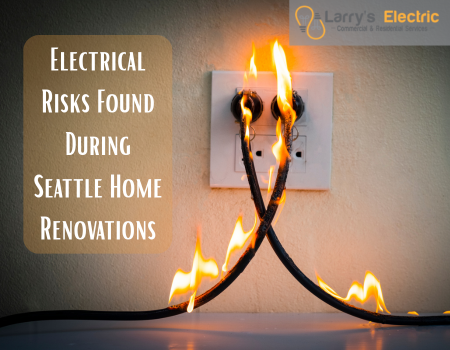
Home renovations in Seattle often reveal more than outdated cabinets or old flooring. Behind the walls of many homes are electrical systems that were never designed for the modern age. While remodeling can improve comfort and value, oftentimes it also exposes hidden electrical risks that homeowners may not expect. Unpermitted work, legacy wiring, and inspection failures are among the most common and costly issues discovered during Seattle home renovations.
The Hidden Problem of Unpermitted Electrical Work
One of the most frequent risks found during renovations is unpermitted electrical work done by previous owners or contractors. In many cases, some changes were made years ago without inspections or city permits. These changes may include added outlets, extended circuits, or panel alterations that do not meet current electrical codes.
On the surface, unpermitted electrical work may look functional, but it can hide dangerous shortcuts. For instance, wires may be improperly spliced, overloaded circuits may go unnoticed, and grounding may be incomplete or missing entirely. These issues increase the risk of electrical shock, overheating, and fire.
When a renovation begins and permits are pulled, inspectors typically flag this kind of work, and then homeowners are required to correct it before the project can continue. Going that route can add unexpected costs and delays, especially if walls or ceilings must be opened to access the wiring.
Legacy Wiring Still Lurks in Seattle Homes
Seattle has a large number of older homes, and many of them were built before modern electrical standards were established. During renovations, one recurring experience is that contractors often discover legacy wiring systems that no longer meet safety requirements.
Knob-and-tube wiring is one of the most common examples, and while it was considered safe when installed decades ago, it is not designed to handle modern electrical loads. Over time, the insulation around these wires can degrade, which can also increase the risk of arcing and fire. Knob-and-tube systems also lack grounding, which is important for protecting modern appliances and electronics.
Aluminum wiring is another legacy issue found in homes from the 1960s and 1970s. Aluminum reacts more to temperature changes than copper, and over time this movement can cause electrical connections to loosen. Loose connections generate heat and are a known fire risk if not properly addressed.
Renovations often expose these systems because walls are opened and circuits are modified. Once legacy wiring is discovered, many inspectors require upgrades to meet current safety codes, and it doesn’t matter if the wiring was previously functional.
Inspection Failures Can Halt Renovation Projects
Electrical inspection failures are a common and frustrating outcome of Seattle home renovations, and even well planned projects can stall when electrical systems do not pass inspection.
Failures often occur because existing systems cannot support new loads. For instance, adding a kitchen remodel, bathroom upgrade, or home office increases electrical demand. If the panel is outdated or circuits are already overloaded, inspectors may require panel upgrades or additional circuits before approving the work.
Improper grounding and bonding are also frequent reasons for inspection failure. Older homes may lack proper grounding paths, which are now required to reduce shock risk and protect equipment. Inspectors may also flag improper breaker types, undersized wiring, or missing arc fault and ground fault protection.
Each failed inspection means more work, reinspection fees, and lost time. For homeowners on a tight renovation schedule, these delays can be stressful and expensive.
Safety Risks Go Beyond Code Compliance
While inspections focus on code compliance, safety is the real concern. Electrical systems that fail inspections often pose genuine risks to occupants. Overheated wires, improper connections, and outdated components can lead to electrical fires, power outages, or damage to appliances.
Seattle’s climate adds another layer of risk. Moisture from rain and humidity can worsen existing electrical issues, especially in basements, crawl spaces, and exterior walls. Also, corrosion and moisture intrusion can compromise older wiring and connections, and increase the likelihood of failure.
Ignoring these risks or attempting temporary fixes can put homeowners and contractors in danger. Electrical issues rarely improve on their own, rather, they usually become more severe over time.
Planning Ahead Reduces Renovation Surprises
The best way to avoid electrical risks during a renovation is to plan proactively. Before starting work, homeowners should have a licensed electrician that will inspect and evaluate the existing electrical system. This assessment can identify unpermitted work, legacy wiring, and capacity issues early in the process.
Budgeting for potential electrical upgrades is also important, especially in older Seattle homes. While upgrades may increase upfront costs, they also improve safety, reliability, and long term value.
Pulling proper permits and scheduling inspections ensures that work meets current standards and avoids future problems when selling or refinancing a home.
Renovation Is an Opportunity for Safety
Seattle home renovations often reveal electrical risks that have been hidden for years; unpermitted work, outdated wiring, and inspection failures are not just obstacles, they are opportunities to make a home safer and more reliable.
Addressing these issues during renovation protects homeowners from future hazards and ensures that improvements are built on a solid foundation. With the right planning and professional support, electrical upgrades become an investment in safety rather than an unexpected setback.