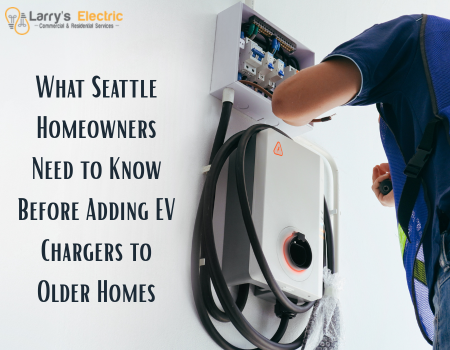
Seattle’s love for electric vehicles keeps rising, but many homes in the city weren’t built with modern EV charger needs in mind. Craftsman-style houses from the 1920s, bungalows from the ‘40s, and even suburban homes from the ‘70s and ‘80s often have electrical systems that fall far below the requirements of today’s Level 2 EV chargers. As more homeowners prepare for the switch to cleaner transportation, understanding your home’s electrical limitations is no longer optional. It’s essential for safety, compliance, and long-term reliability.
The Electrical Reality of Seattle’s Older Housing Stock
One of the biggest barriers homeowners face is simply age. A significant portion of Seattle homes still operate on 60-amp or 100-amp service panels. Back when these homes were built, heavy electrical loads didn’t exist. There were no high-wattage induction cooktops, tankless water heaters, or garage-mounted chargers pulling 30 to 50 amps on their own.
In these older systems, adding a Level 2 charger can overwhelm the panel. An overloaded system isn’t just inconvenient; it’s dangerous. Breakers can trip repeatedly, wires can overheat, and in extreme cases, outdated insulation can contribute to electrical fires. This is why electricians performing EV charger installation in Seattle almost always begin with a full load calculation to determine whether the home can handle an additional high-demand appliance.
When Home Rewiring Becomes Necessary
Some homeowners discover that upgrading a panel still isn’t enough. If the wiring inside the house is original, or partially replaced over several decades, there may be grounding issues, aluminum wiring, or deteriorated cloth insulation. These issues become more apparent when a new 240-volt appliance is added.
Rewiring an older Seattle home may sound daunting, but in many cases it can be done in stages. Electricians often start by improving the branch circuits that support large appliances, then work toward modernizing the rest of the home over time. This staged approach makes it easier to manage cost while still creating a safe path toward EV ownership.
Code Compliance: Seattle’s Requirements Are Getting Stricter
Local code updates are designed to make sure you don’t overload your home or put your family at risk. Seattle inspectors are particularly careful with older homes because moisture, age, and past DIY fixes create vulnerabilities in the system. That means homeowners can’t simply buy a charger online and hire someone to “just hook it up.”
To pass inspection, electricians must verify panel capacity, grounding quality, breaker compatibility, conductor size, and GFCI protection. If the garage or charging area is outdoors or partially exposed, as many older carports are, weatherproofing also becomes mandatory.
The good news is that these higher standards ensure your new charger runs smoothly and reduces the risk of nuisance tripping, unsafe heat build-up, or long-term equipment failure.
The Hidden Challenge: Electrical Load From Modern Living
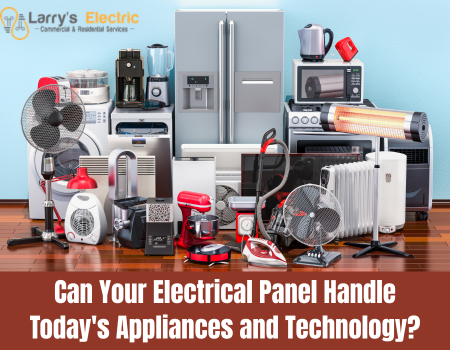
A common surprise for homeowners is how much electricity modern lifestyles require. Even if your panel seems like it “should” be able to handle an EV charger, existing loads such as heat pumps, dryers, or electric water heaters can push your home close to its maximum safe capacity.
This is where electrical load upgrades make a difference. Some homeowners choose a panel upgrade to 200 amps, while others add load-management devices that automatically balance usage between appliances. Smart panels are becoming more common in Seattle, especially in homes where full rewiring isn’t immediately practical.
Planning Ahead Pays Off
Adding an EV charger isn’t just about plugging in a vehicle, it’s about preparing your home for the next decade of electrical demand. With electrification trends rising statewide, everything from heating systems to cooking appliances is gradually moving away from gas. Getting ahead of these changes ensures your home stays functional and competitive in the market.
Seattle homeowners who take time to upgrade their electrical systems now often find that future renovations become easier and more affordable. A modernized panel increases safety, home value, and compatibility with upcoming technologies.
Before adding an EV charger to an older Seattle home, homeowners should approach the project with a clear understanding of panel capacity, wiring conditions, and code requirements. Partnering with a licensed electrician ensures the installation is both safe and future-ready. With the right upgrades, your home will not only support your EV today but will also stay adaptable as electrical demands continue to evolve.