In Seattle’s damp climate, where rain and humidity are part of daily life, flickering lights in the home can be more than a minor annoyance. While a loose bulb or a cheap fixture might be the culprit in some cases, recurring or widespread flickering often points to deeper electrical issues that deserve immediate attention. Understanding the connection between flickering lights and underlying problems like moisture intrusion, grounding issues, and panel malfunctions can help homeowners act before small symptoms become costly or dangerous.
Why Flickering Lights Are a Serious Warning Sign in Seattle Homes
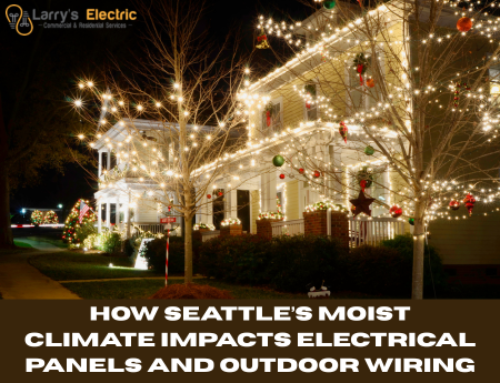
Many Seattle residents notice lights flicker during or after wet weather, and moisture is frequently part of the explanation. Water and electricity do not mix well, and even small amounts of moisture in an electrical system can create corrosion, weak connections, or short circuits. Moisture that seeps into outdoor wiring, junction boxes, or areas of the home where sealing is imperfect can loosen connections or induce tiny arcs in wiring. These imperfect connections disrupt the steady flow of electricity, which shows up as flickering lights when you switch on a fixture or during periods of high humidity. The presence of moisture‑related corrosion near connectors or in junction boxes can allow current to jump, making flickering far more than a cosmetic problem.
Grounding is another fundamental piece of electrical safety, and when it is compromised, flickering lights can be an early sign of trouble. A properly grounded system helps stabilize voltage and gives stray or excess current a safe path to earth. In Seattle homes, issues with grounding may arise from outdated wiring, poor initial installation, or moisture‑related corrosion at grounding points. Improper grounding can lead to voltage imbalances that show up as lights briefly dimming or flickering. This is not just unreliable lighting. Voltage instability can shorten the lifespan of appliances, create unpredictable shocks, or, in extreme cases, spark arcs that increase fire risk.
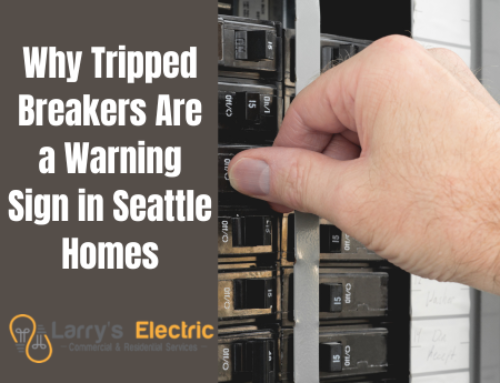
Electrical panels themselves are another common source of flickering when something is wrong. If lights flicker in many rooms or across several circuits, the problem might lie in the panel, the breaker, or the service connection. Older panels that were installed decades ago may not be equipped to handle modern electrical loads, especially in homes that have added new appliances, EV chargers, or high‑power equipment over the years. Worn or corroded connections inside the panel or between the panel and service entrance can cause inconsistent power delivery, leading to flicker or dimming as loads change. If a panel is rusted, damp, or shows signs of electrical wear, it may be time for an inspection or upgrade.
There are additional reasons flickering lights can appear that are tied to Seattle’s wet climate. Loose or corroded outdoor wiring, especially where rainwater might infiltrate conduit or cable entries, can interrupt electrical flow. Voltage fluctuations caused by water on utility lines or at connection points may ripple through multiple homes in a neighborhood, making lights go dim or flicker even if internal wiring is sound. These kinds of outdoor factors highlight the importance of documenting when and where flickering occurs, as well as whether it aligns with weather events.
Ignoring flickering lights can lead to bigger problems down the road. What seems like an intermittent nuisance can actually signal conditions that increase the odds of electrical fires, shocks, or appliance damage. Loose connections or deteriorated wiring create resistance and heat, which over time can wear down insulation and components. Faulty grounding can allow voltage spikes or stray current to damage devices or create shock hazards. Panel issues, if unaddressed, can compromise the overall reliability of a home’s electrical system and may require expensive repairs if allowed to worsen.
Because of these risks, Seattle homeowners should treat persistent or broad flickering as an opportunity for early intervention rather than an inconvenience to live with. Simple checks, like ensuring bulbs are seated properly, may fix isolated instances. But when flickering appears in multiple lights, during changes in weather, or alongside other signs like dimming during appliance use, warm outlets, buzzing sounds, or circuit breaker trips, it is wise to call a licensed electrician. These professionals can inspect connections, check the panel and service entrance, evaluate grounding integrity, and identify moisture‑related damage that may not be visible at first glance.
In a region where rain and humidity are routine, the electrical system in your home works harder to remain stable and safe. Flickering lights are not just an annoyance; they are often the first visible clue that the system is struggling. Addressing these signs promptly protects not just lighting but the safety, reliability, and longevity of your entire electrical infrastructure. In Seattle, where moisture and electrical demand intersect, paying attention to flickering lights could mean the difference between a quick fix and a major hazard.